

Are Healthy 30-Minute Skillet Recipes for Families Real?
Last Updated: November 21, 2026
Quick Summary
Healthy 30-minute skillet recipes for families are real when the timer counts prep, the pan does double duty, and the protein is already in your fridge. A true 30-minute skillet dinner means 5 to 10 minutes of chopping, then 15 to 20 minutes of simmering.
- Pre-cut or frozen vegetables save 5 to 8 minutes of knife work.
- A wide 12-inch skillet evaporates liquid faster than a narrow pot.
- Aim for 400-550 calories, 20-30 g protein, and under 600 mg sodium per serving.
- Add vegetables in the last five minutes so they stay crisp.
- Store leftovers in a shallow container within two hours and use within three to four days.
Table of Contents
- Are Healthy 30-Minute Skillet Recipes for Families Actually Real?
- What the 30-Minute Timer Actually Includes
- 10 Healthy 30-Minute Skillet Meals for Busy Weeknights
- What Makes These Healthy One-Pan Dinners Work
- Kid-Friendly Skillet Meals for Picky Eaters
- Healthy 30-Minute Meals for Family Budgets and Special Diets
- Meal Prep, Leftovers, and What to Serve Alongside
- Pick Your First Skillet Meal and Get Dinner on the Table
- Frequently Asked Questions
Are Healthy 30-Minute Skillet Recipes for Families Actually Real?
Yes, but the timer is where most recipes lie to you.
Here is the honest math. A true 30-minute skillet dinner means 5 to 10 minutes of chopping and measuring, then 15 to 20 minutes of simmering while you unload the dishwasher.
Below, we break down what the timer should include, then walk through 10 skillet dinners that hold up under real weeknight pressure.
What the 30-Minute Timer Actually Includes
Most recipes start the clock at the stove, not the cutting board. That is the single biggest gap between a recipe card and your Tuesday night.
A genuine 30-minute meal counts everything: pulling ingredients out, chopping, browning, simmering, and the rest period before serving.
Three things compress the clock without cutting corners:
- Pre-cut or frozen vegetables save 5 to 8 minutes of knife work
- A wide skillet (12 inches) evaporates liquid faster than a narrow pot
- Rotel, canned tomatoes, and stock replace three separate seasoning steps
If a recipe's total time is listed as 30 minutes but the cook time alone is 25, you already know the prep is missing from the math.
10 Healthy 30-Minute Skillet Meals for Busy Weeknights
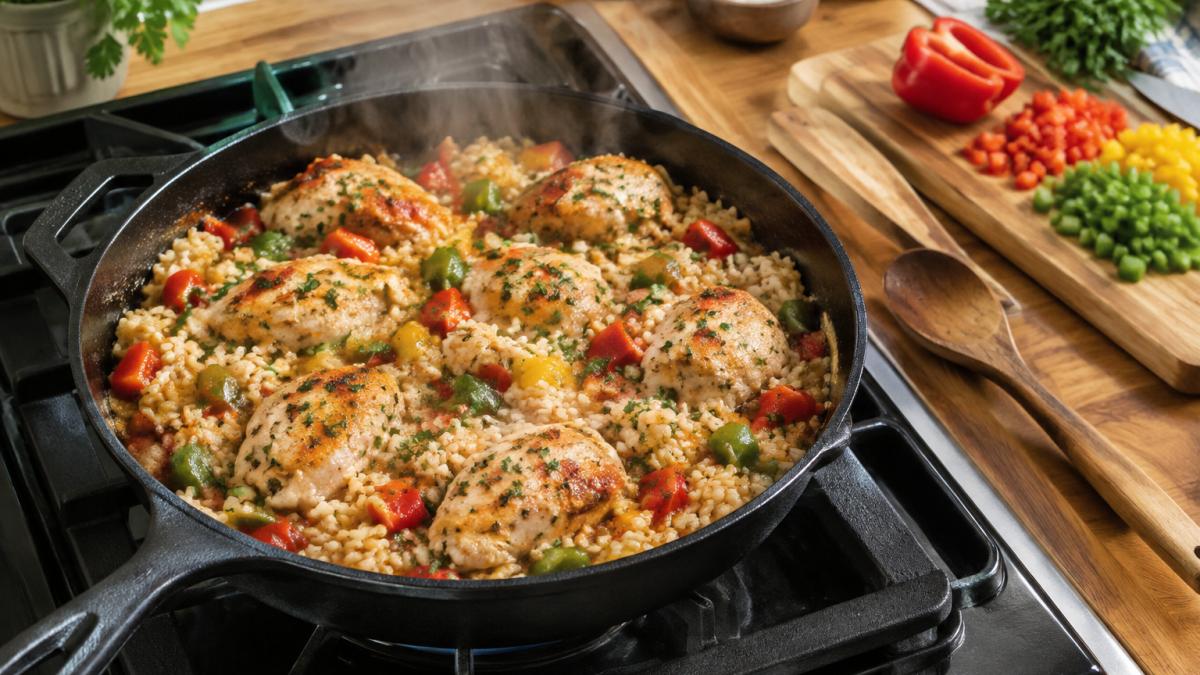
Here are the ten that earn a spot in the rotation, each built to feed 4 to 8 people from one pan.
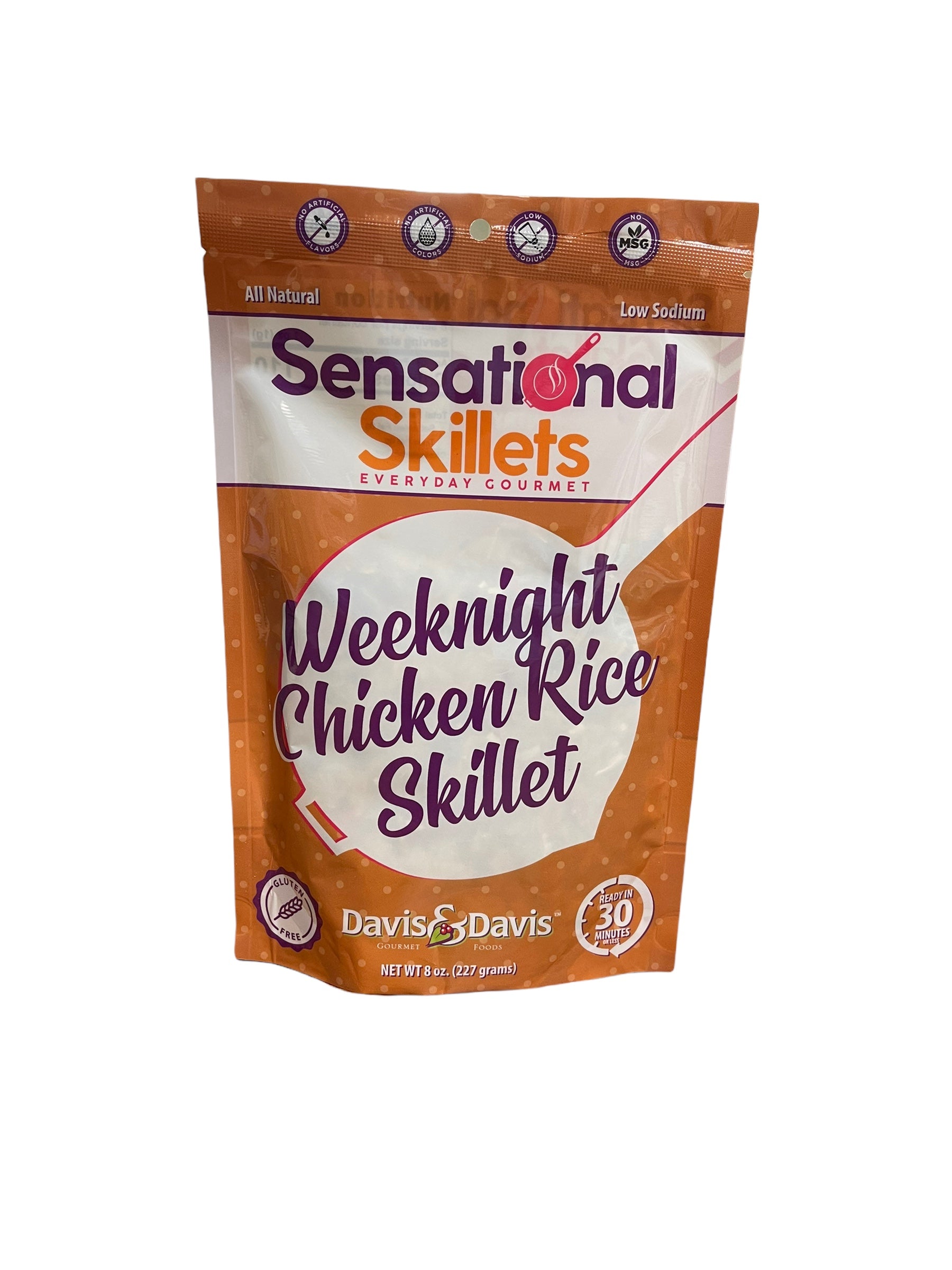
- Chicken and rice skillet. Our Weeknight Chicken Rice Skillet is the comfort-food baseline, hearty and filling, serving 6 to 8 generously.
- Tuscan chicken alfredo. Creamy, low in sodium, no artificial flavors or colors, and feeds up to 8.
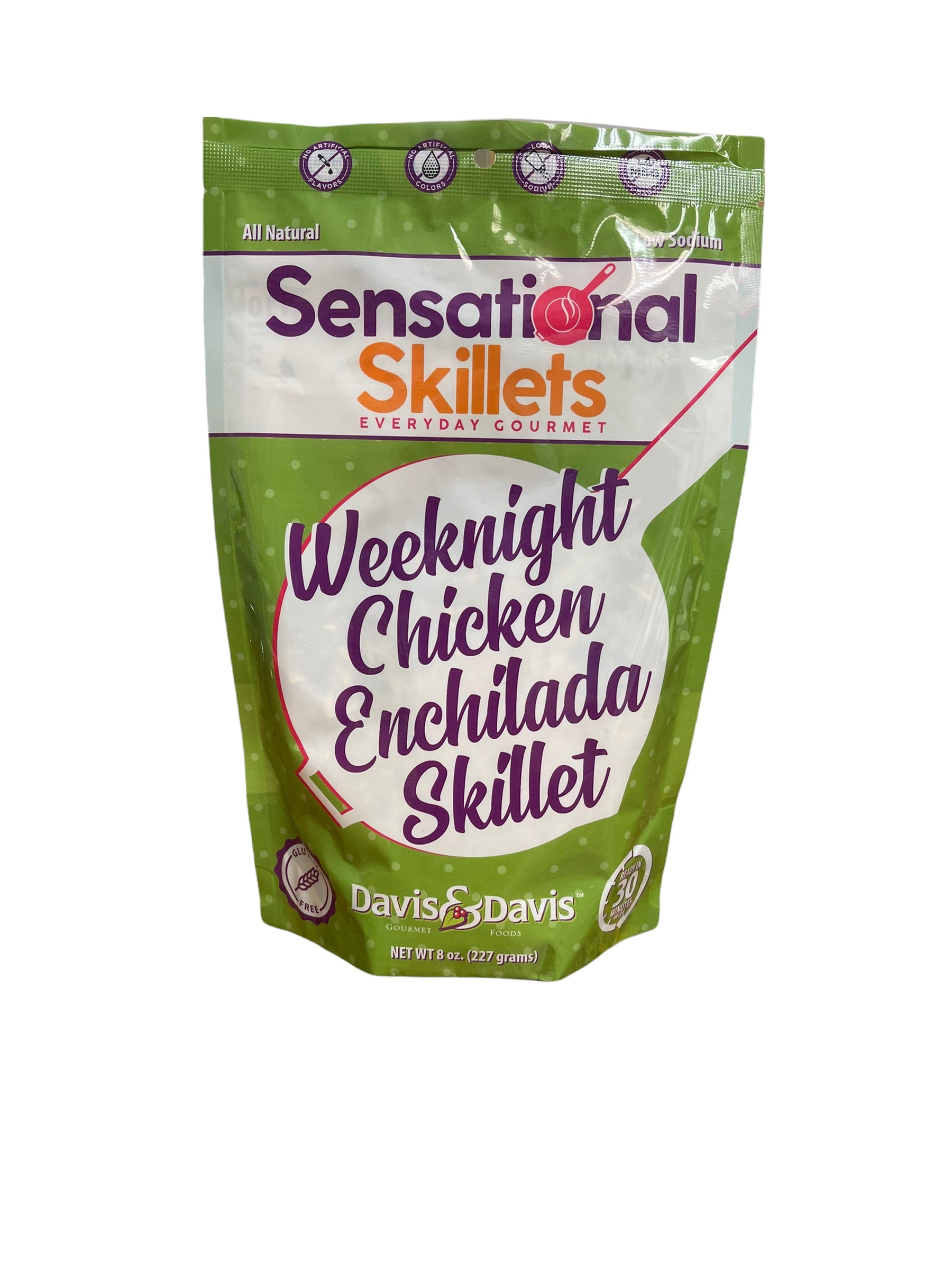
- Chicken enchilada rice skillet. Mildly spicy green chili, gluten free, ready in under 30 minutes.
- Tex Mex skillet. Our take on King Ranch Casserole, done on the stovetop instead of the oven.
- Stroganoff skillet. The weekend classic, on the table in under 30 minutes.
- Lemon orzo skillet. Bright Italian seasoning; our team's favorite version uses shrimp.
- French onion skillet. A meatless Monday option with mushrooms and mozzarella.
- Spicy beef skillet. Ground beef, Rotel, and cheddar, with an optional creamy finish.
- Jambalaya skillet. Smoked sausage and rice with all-day flavor in 30 minutes.
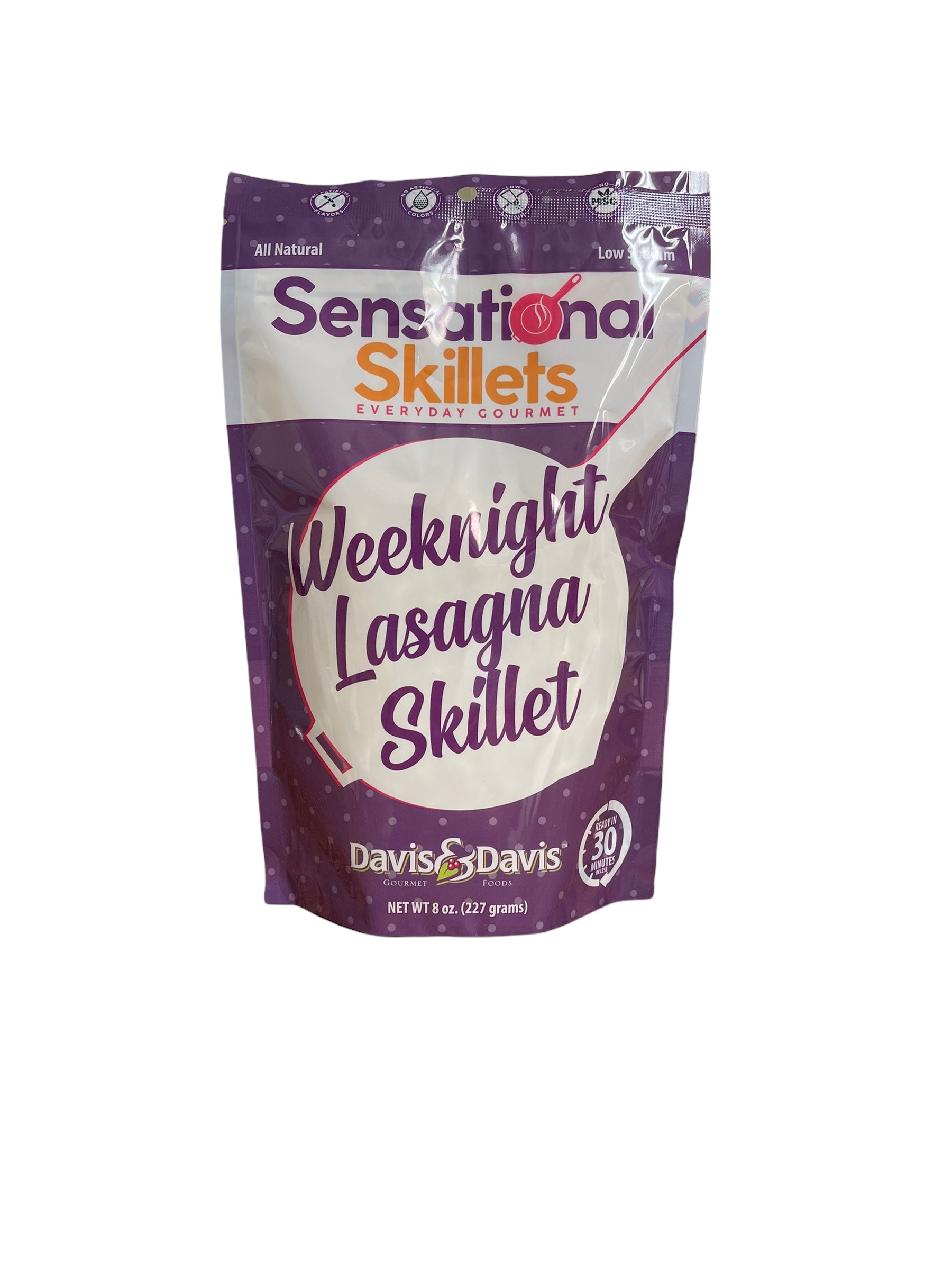
- Lasagna skillet. Layers of flavor without the oven or the 50-minute bake.
Chicken, Beef, Pasta, and Rice Skillets Side by Side
| Skillet | Main Protein | Base | Serves | Standout Detail |
|---|---|---|---|---|
| Chicken Rice | Chicken | Rice | 6-8 | Hearty comfort classic |
| Tuscan Chicken Alfredo | Chicken | Pasta | Up to 8 | Low sodium, no MSG |
| Chicken Enchilada | Chicken | Rice | 4-6 | Gluten free, mild heat |
| Weeknight Spicey Beef Skillet | Ground beef | Pasta | 6-8 | Rotel heat level you choose |
| Lemon Orzo | Shrimp or chicken | Orzo | 6-8 | All natural, no MSG |
| Jambalaya | Sausage and shrimp | Rice | 6-8 | Stovetop, no oven |
What Makes These Healthy One-Pan Dinners Work
Healthy one-pan dinners work because they balance three things at once: a lean or moderate protein, a whole-food carbohydrate, and a vegetable that goes in the same pan. The Dietary Guidelines for Americans from the USDA and HHS recommend building meals around vegetables, fruits, grains, and varied proteins. A skillet dinner hits that structure naturally when you add a bag of frozen broccoli or zucchini in the last five minutes.
But "healthy" is a claim, not a vibe. Most skillet roundups never tell you what the numbers look like, so here are the benchmarks we use to judge whether a skillet dinner earns a spot in a family rotation.
| Per serving | Target for a healthy skillet dinner | Why it matters |
|---|---|---|
| Calories | 400-550 | Fits a dinner slot without crowding out breakfast and lunch |
| Protein | 20-30 g | Keeps kids and adults full past bedtime |
| Fiber | 4-6 g | Comes from the grain base plus added vegetables |
| Sodium | Under 600 mg | The hardest target, because canned goods and cheese carry most of it |
| Added sugar | Under 5 g | Tomato and cream sauces are the usual hiding spots |
Where Skillet Dinners Actually Go Wrong
Three mechanisms separate a genuinely healthy skillet from a fast but heavy one:
- Sodium stacking. Canned broth, Rotel, condensed soup, and shredded cheese each contribute sodium, and they stack. Swapping full-sodium broth for low-sodium broth and rinsing canned beans can pull 200-400 mg per serving out of a recipe without changing the flavor much.
- Fat from the finish, not the base. A cream-based skillet is not automatically unhealthy, but the sauce is where the fat and calories concentrate. Portion the sauce rather than pouring it all in, and a half cup of mozzarella goes further than a full cup.
- Vegetable timing. Vegetables added at the start turn to mush and lose texture; added in the last five minutes they stay crisp and keep more of their water-soluble vitamins. That is a texture fix and a nutrition fix at the same time.
How to Build a Balanced Plate From a Single Skillet
Use this formula and you can adapt almost any skillet recipe:
- Half the plate: vegetables, fresh or frozen, added near the end so they stay crisp
- A quarter: protein, roughly the size of your palm per person
- A quarter: the rice, pasta, or orzo base
That structure is why a skillet dinner can be genuinely healthy rather than just fast. If you want to check a specific recipe, read the nutrition panel for the sodium and protein numbers first, those two tell you more about a skillet dinner than the calorie count does.
Kid-Friendly Skillet Meals for Picky Eaters
Picky eaters respond to control, not persuasion. The skillets that win with kids are the mild, cheesy, familiar-flavored ones, and the trick is letting children adjust their own bowl. That is also the gap most recipe roundups skip: they tell you a dish is "family-friendly" without saying how to dial the heat down, what to swap, or how to serve it so a skeptical kid actually eats.
Three that tend to land well:
- Chicken rice skillet for the child who wants plain, familiar food
- Lasagna skillet for the pasta lover who rejects anything green
- French onion skillet for the cheese-and-noodles crowd
Mild-Seasoning Swaps That Keep the Flavor
Heat is the most common reason a kid rejects an otherwise good skillet. These swaps keep the dish recognizable while pulling the burn out:
- Rotel or diced green chiles: use half the can, or swap in a can of plain diced tomatoes and add a pinch of cumin for the same Tex-Mex profile.
- Chili powder and cayenne: cut the cayenne entirely and keep the chili powder; most of the warmth kids object to comes from the cayenne, not the chili powder.
- Smoked sausage in jambalaya: use a mild smoked sausage instead of andouille, and slice it thinner so each bite carries less heat.
Customizable Toppings and Build-Your-Own Bowls
The single most effective picky-eater tactic is to set the skillet in the middle of the table and let each person build a bowl. Keep a small lineup of add-ins in bowls:
- Shredded cheese, sour cream, or plain Greek yogurt for cooling
- Diced avocado or a squeeze of lime
- Crushed tortilla chips for crunch
That way the same skillet serves the kid who wants plain rice and the adult who wants the full bowl, and nobody cooks twice.
Practical Swaps for Different Ages and Preferences
- Toddlers: pull their portion out before adding any chile or hot sauce, and cut the protein small enough to chew safely.
- Vegetable-averse kids: introduce a new vegetable on the side first, then fold it into the skillet once it is familiar. Adding it all at once often backfires.
- Texture-sensitive kids: keep the sauce on the side for creamy skillets, since some children reject a dish based on how wet it looks rather than how it tastes.
Our gourmet seasoning blends for picky eaters help here, because a little flavor adjustment goes further than a lecture about trying new things.
Watch out: do not label a dish as "spicy" in front of a hesitant kid, the expectation alone can sink it. Describe it by what it is ("cheesy rice with chicken") and let the toppings do the rest.
Healthy 30-Minute Meals for Family Budgets and Special Diets
Budget and dietary needs rarely get addressed together, and that is a real gap in most recipe roundups. The Weeknight Lasagna Skillet and other skillet kits are $11.99 each.
For dietary accommodations, check the label first:
- Gluten free: our chicken enchilada skillet fits
- No MSG, all natural: the lasagna and lemon orzo skillets
- Meatless: the French onion skillet works without protein, or add ground beef if you want it
For a family-friendly option that fits a tighter budget, the Weeknight Chicken Enchilada Skillet stretches across 4 to 6 servings and needs only chips and salsa alongside.
Meal Prep, Leftovers, and What to Serve Alongside
Skillet dinners reheat better than most people expect, with one caveat: rice and pasta absorb liquid as they sit.
Store leftovers in a shallow container within two hours of cooking, per FDA food storage guidance, and use them within three to four days.
What to serve alongside:
- A green salad with a sharp vinaigrette to cut through creamy skillets
- Crusty bread for mopping up sauce
- Steamed broccoli or green beans for extra vegetables
For readers planning ahead, the Weeknight Lemon Orzo Skillet is the most versatile of the group, since it works with chicken, shrimp, pork, or ground turkey and reheats cleanly.
Pick Your First Skillet Meal and Get Dinner on the Table
The real test of a 30-minute meal is whether you would make it again on a Wednesday when you are tired and nobody wants to decide.
Get started with Shop Wacky and put a real 30-minute dinner on the table tonight.
The clock starts when you pick up the knife, not when the pan gets hot. Choose one skillet, count your prep honestly, and see how the week feels different.
Frequently Asked Questions
What are some family-friendly 30-minute meals that are actually healthy?
Look for one-skillet meals built around a protein, a whole grain or pasta, and vegetables, with minimal added sodium. A chicken and rice skillet, a Tex-Mex beef skillet, or a lemon orzo skillet with shrimp all fit. Each takes about 30 minutes on the stovetop, feeds 6 to 8, and uses pantry staples like stock and canned tomatoes. Pair with a green salad or steamed broccoli to round out the plate, and check labels for no MSG and no artificial flavors.
How long does prep actually take for a 30-minute skillet meal?
For most of these skillet meals, hands-on prep is 5 to 10 minutes: browning ground beef, slicing sausage, or opening a can of tomatoes. The 30-minute figure usually covers the full stovetop cook, including simmer time. To shave off more, chop vegetables and shred cheese the night before, or brown a pound of ground beef on Sunday and refrigerate it. That turns a weeknight skillet into a dump-and-stir job with a real 30-minute total.
How do I adapt skillet recipes for picky eaters?
Keep heat mild and serve toppings on the side. A Tex-Mex or enchilada skillet can go on the table with shredded cheese, sour cream, and avocado in separate bowls so kids build their own plate. For a spicy beef skillet, use mild diced tomatoes and skip the optional sour cream for anyone who dislikes creamy textures. If a child rejects mixed dishes, plate the rice or pasta portion separately before stirring in vegetables, then offer the vegetables as a small side.
Can I prepare skillet dinners ahead of time or freeze leftovers?
Yes. Cook the skillet fully, then refrigerate leftovers in shallow containers. Rice- and pasta-based skillets reheat well on the stovetop with a splash of stock or water over medium-low heat, stirring often. Creamy skillets like stroganoff or Alfredo hold better if you reheat gently and add a little milk. Freezing works best for the tomato- and broth-based skillets;
What can I serve with a healthy skillet meal to make it a complete dinner?
A green salad with a light vinaigrette, steamed broccoli, or roasted zucchini adds fiber and volume for very few calories. For Tex-Mex and enchilada skillets, chips and salsa or a scoop of black beans fit the flavor. A lemon orzo skillet pairs well with asparagus or a simple cucumber salad. Keep the side to one or two items so the skillet stays the center of the meal and cleanup stays easy.
