

Gourmet Seasoning Blends for Picky Eaters
Table of Contents
- Why Gourmet Seasoning Blends for Picky Eaters Actually Work
- Kid-Friendly Spice Blends: Mild Flavors That Win at the Table
- How to Introduce Spices to Children Without a Battle
- Best Gourmet Seasonings for Vegetables Kids Will Actually Eat
- Gourmet Seasoning Blends for Picky Eaters: Top Picks from Shop Wacky
- DIY Homemade Spice Mix Recipes Using Pantry Staples
- Tips for Seasoning Picky Eater Meals Without the Stress
- Conclusion
Last Updated: August 27, 2026
Why Gourmet Seasoning Blends for Picky Eaters Actually Work
Gourmet seasoning blends for picky eaters solve a problem most parents know well: the moment a new flavor hits the plate, dinner turns into a negotiation. At Shop Wacky, we've spent 24 years helping families bridge that gap between "I don't like it" and "can I have more?" The answer almost always comes down to flavor palatability, not the food itself.
Picky eating is a sensory experience, not a behavioral one. Children's palates are genuinely more sensitive than adults'. They detect bitter compounds more acutely, process unfamiliar aromas differently, and often react to texture before taste. A thoughtfully mild flavor profile, not bold spices, builds spice tolerance gradually and makes food palatably familiar.
Kid-Friendly Spice Blends: Mild Flavors That Win at the Table
The biggest mistake parents make is reaching for bold seasonings. What actually wins at the table is balanced seasoning with familiar, savory notes: garlic powder, onion powder, a touch of paprika, and sea salt. These four ingredients form the backbone of nearly every kid-approved blend. Garlic adds depth, onion rounds out savory notes, paprika contributes mild warmth without heat, and sea salt makes food taste more like itself.
A blend that works on chicken, crackers, and roasted vegetables is worth ten single-use seasonings. Parents who keep one or two reliable all-purpose seasonings report far less mealtime struggle.
Cheesy and Ranch Profiles: The Gateway Flavors
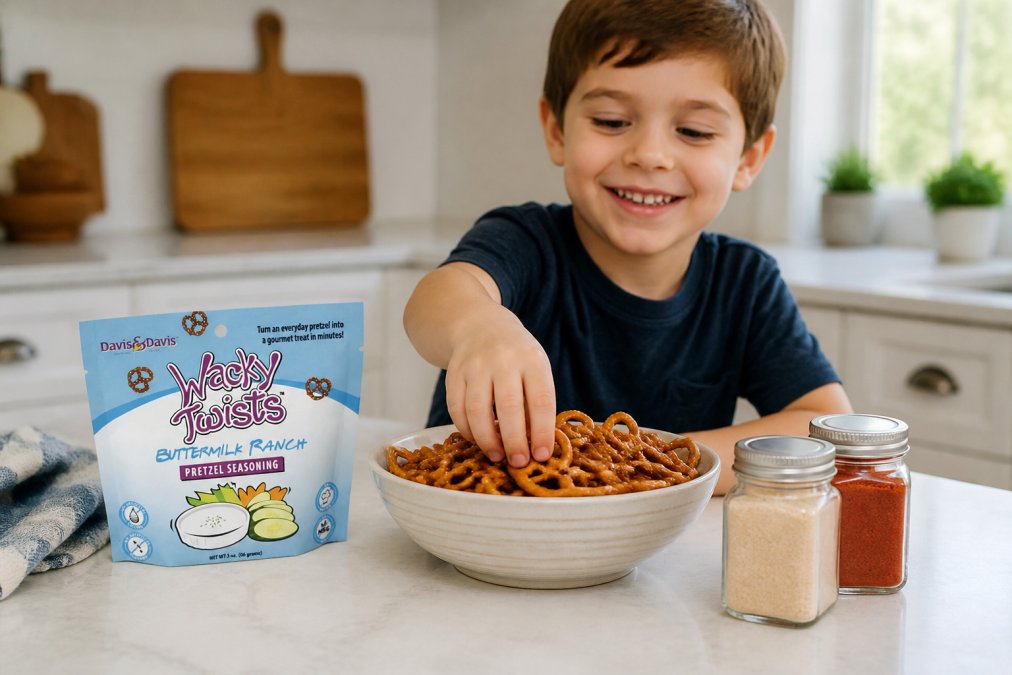
Cheesy seasoning and ranch are the two most reliable gateway flavors for picky eaters. Both deliver familiar, kid-approved flavor enhancement without anything unfamiliar enough to trigger refusal. According to research on children's flavor preferences from the Monell Chemical Senses Center, children show a strong preference for salty and umami-forward profiles early in development. Cheesy and ranch seasonings hit both notes without crossing into bitterness or heat.
Start with these profiles before introducing anything more complex. Once a child accepts cheesy garlic on crackers, they're primed for parmesan herb. Once they love buttermilk ranch on pretzels, onion and herb blends feel like a natural next step.

Sensory-Friendly Seasoning Textures to Look For
Texture sensitivity is one of the most underappreciated factors in picky eating. A coarsely ground spice blend can feel gritty on sensitive palates. Chunky dried herb pieces can create unexpected textural surprises mid-bite, causing food refusal regardless of flavor.
Sensory-friendly seasoning blends share these characteristics: fine, even grind with no large herb fragments; smooth coating action that adheres uniformly; no visible seeds or coarse flakes; and dry enough to coat without becoming clumpy. When evaluating a blend, rub a small amount between your fingers. If it feels gritty, it will likely feel that way in the mouth too.
How to Introduce Spices to Children Without a Battle
Most parents approach spice introduction as a single event, then abandon it after rejection. Palate expansion is a process, not a moment. Research on food neophobia consistently shows that repeated low-pressure exposure is more effective than forced tasting. As documented in pediatric nutrition guidance from the American Academy of Pediatrics, children often need 10 to 15 exposures to a new flavor before accepting it.
The Flavor Bridge Method: A Step-by-Step Approach
The Flavor Bridge Method uses accepted flavors as a bridge to new ones. Rather than replacing a familiar taste, it layers a new flavor alongside something already loved.
Step 1: Identify an accepted anchor flavor (plain crackers, pretzels, plain chicken).
Step 2: Apply a minimal amount of mild, familiar-profile seasoning at roughly half the suggested serving.
Step 3: Serve both seasoned and unseasoned versions on the plate with no pressure.
Step 4: Increase the seasoning amount gradually over several servings.
Step 5: Introduce a slightly more complex blend using the same anchor food.
Step 6: Transfer the accepted flavor to a new food.
Allergy-Safe and Dietary-Specific Seasoning Choices
Many mass-market seasoning packets contain hidden allergens, wheat-based anti-caking agents, or dairy derivatives. When selecting gourmet seasoning blends for picky eaters with dietary restrictions, look for: no MSG, no artificial flavors or colors, gluten-free certification, and clear allergen labeling. Low-sodium alternatives are worth considering for younger children, as their sodium needs differ from adults.
Best Gourmet Seasonings for Vegetables Kids Will Actually Eat
A plain steamed broccoli floret and one coated in parmesan herb seasoning are genuinely different eating experiences. The seasoning gives the palate something to engage with besides bitterness.
| Vegetable | Best Seasoning Profile | Application Method |
|---|---|---|
| Carrots | Garlic powder + sea salt + light paprika | Toss before roasting |
| Broccoli | Parmesan herb blend | Coat after steaming |
| Zucchini | Cheesy garlic blend | Toss before roasting |
| Green beans | Onion powder + dried parsley + sea salt | Sauté with oil |
| Cauliflower | Ranch-style blend | Coat before roasting |
| Corn | Mild butter + garlic powder | Apply after cooking |
Roasting concentrates natural sugars in vegetables, which reduces perceived bitterness. Adding a mild all-purpose seasoning to roasted vegetables creates a genuinely kid-approved result.
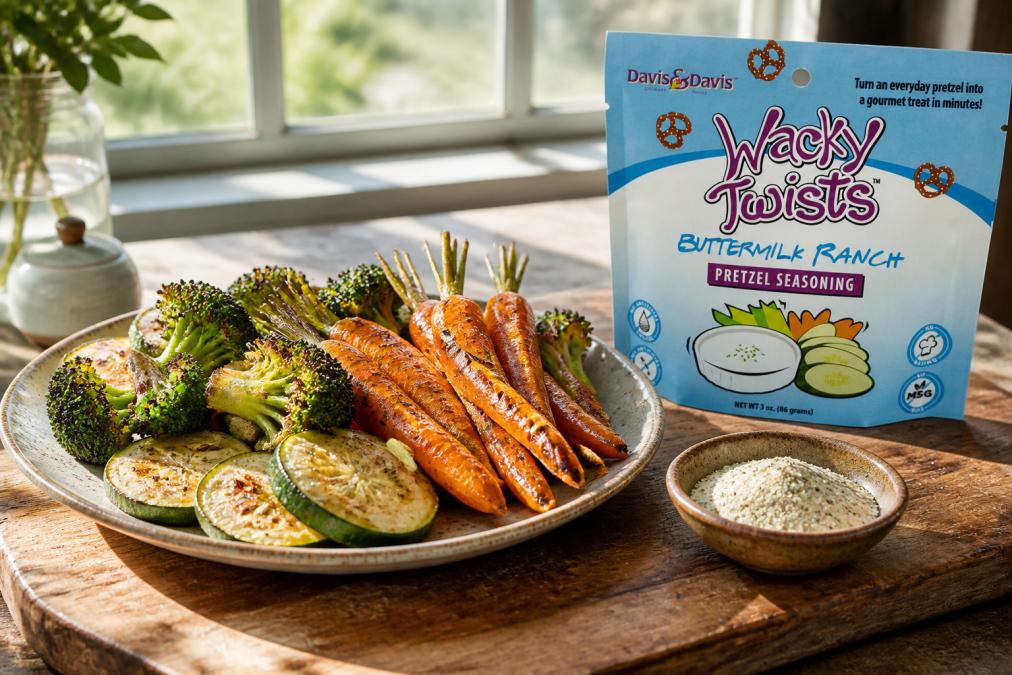
A common mistake is over-seasoning vegetables for children. A lighter hand produces better results, enough to add palatability without overwhelming the food's natural texture and color.
Gourmet Seasoning Blends for Picky Eaters: Top Picks from Shop Wacky
Shop Wacky's lineup of gourmet seasoning blends was built for exactly this challenge: families who want real flavor without artificial shortcuts. Every blend contains no MSG and no artificial flavors or colors. With 24 years in the gourmet food industry and a nationally award-winning line of dip mixes, the approach is flavor first, simplicity second.
Pretzel Twist Seasonings for Snack-Time Wins
Pretzels are one of the most reliable delivery vehicles for introducing new flavors to picky eaters. The crunch is familiar, the base flavor is neutral, and a well-coated pretzel twist holds seasoning evenly.
Buttermilk Ranch Wacky Twist Seasoning ($7.99) is the natural starting point. Ranch is America's most accepted flavor profile, and this blend delivers it in a fine, even coating. Combine the packet with half a cup of canola oil, whisk smooth, coat one pound of pretzel twists, and let rest until fully absorbed.
White Cheddar Garlic Wacky Twist Seasoning ($7.99) layers creamy white cheddar with savory garlic for a cheesy profile that consistently wins with children who've graduated past plain ranch.

Sharp Cheddar Wacky Twist Seasoning ($7.99) delivers a bolder, tangier cheddar note, ideal as a step up once milder cheesy profiles are accepted.

Garlic Parmesan Wacky Twist Seasoning ($7.99) is the most herbaceous option, ideal for children ready for something with more character.
Cracker Seasonings That Double as Flavor Boosters
The Wacky Cracker Seasoning line transforms a plain saltine into a genuinely gourmet snack with minimal preparation.
Cheesy Garlic Wacky Cracker Seasoning Blend ($6.99) combines white cheddar cheese with garlic. Add the blend and canola oil to a gallon bag, toss in saltines, and let rest. Best flavor develops overnight.
Parmesan Herb Wacky Cracker Seasoning Blend ($6.99) is the most herbaceous cracker option, with rosemary, parsley, thyme, oregano, and premium parmesan. It pairs perfectly with the Buttermilk Ranch Dip Mix for a snack combination that tends to disappear fast.
Sour Cream & Onion Wacky Cracker Seasoning Blend ($6.99) rounds out the cracker range with one of the most universally accepted snack flavor profiles.
DIY Homemade Spice Mix Recipes Using Pantry Staples
Homemade spice blends give you complete control over ingredients, allergens, and sodium levels. According to family nutrition research from the Academy of Nutrition and Dietetics, children who participate in cooking tend to be more willing to try new foods.
Basic All-Purpose Kid Blend
- 2 parts garlic powder
- 2 parts onion powder
- 1 part paprika
- 1 part sea salt
- 1/2 part dried parsley
Mix thoroughly and store in an airtight jar. Use on chicken, roasted vegetables, or crackers.
Mild Cheesy Popcorn Blend
- 3 parts nutritional yeast or fine parmesan powder
- 1 part garlic powder
- 1 part sea salt
- 1/2 part onion powder
Toss with popcorn or roasted chickpeas. The nutritional yeast version works well for dairy-free households.
Herb Butter Blend (for vegetables)
- 2 parts dried parsley
- 1 part dried thyme
- 1 part garlic powder
- 1/2 part sea salt
Mix into softened butter, then toss with steamed or roasted vegetables.
Tips for Seasoning Picky Eater Meals Without the Stress
What separates a successful picky eater meal from a frustrating one is rarely the recipe. It's the approach.
Start with the snack, not the dinner. Snack time is lower stakes. Introducing a new seasoning on pretzels at 3pm carries none of the emotional weight of a family dinner. Once accepted in a snack context, transferring it to a meal becomes much easier.
Season the food, not the plate. Apply seasoning directly during preparation rather than offering it as a condiment. Children who see a shaker bottle often preemptively refuse.
Serve seasoned and unseasoned versions simultaneously. Choice reduces resistance. When a child can pick between versions, the seasoned option becomes desirable rather than imposed.
Use dips as flavor bridges. A mild dip can introduce flavors a child might refuse on food alone. The French Onion Dip Mix and Spinach Artichoke Dip Mix work particularly well paired with seasoned crackers.
Keep portions of new seasonings small. A light dusting is far less threatening than a fully coated piece. Increase only after acceptance.
Don't react to rejection. Neutral responses remove the social reinforcement that can make picky eating a pattern. Note the rejection, remove the food without comment, and try again in a few days.
Seasoning picky eater meals is a long game. Gourmet seasoning blends work best when applied consistently, patiently, and with realistic expectations. Palate expansion is measured in weeks and months, not single meals.
Feeding picky eaters rarely gets easier through pressure alone. The real shift happens when flavor becomes familiar rather than foreign. Shop Wacky's line of gourmet seasoning blends, from the Buttermilk Ranch Wacky Twist to the Parmesan Herb Cracker Seasoning, gives families the tools to make that shift one snack, one meal, one small win at a time. With no MSG, no artificial flavors, and 24 years of award-winning flavor development behind every blend, these are products built for exactly this purpose. Add to cart and start building a palate your whole family will enjoy.
Frequently Asked Questions
What mild seasonings do kids typically enjoy?
Kids tend to gravitate toward mild flavor profiles built around familiar savory notes. Buttermilk ranch, cheesy garlic, sour cream and onion, and parmesan herb are consistently kid-approved because they deliver flavor without heat or bitterness. Garlic powder, onion powder, and dried herbs like parsley and thyme add depth without overwhelming a developing palate. Starting with these flavors builds spice tolerance gradually and makes mealtime struggles far less common.
How can I introduce new flavors to a picky eater?
The most effective approach is the flavor bridge method: start with a food your child already accepts, then coat or season it with a new gourmet seasoning blend. For example, toss familiar pretzels in a buttermilk ranch or white cheddar garlic seasoning. Once they enjoy the seasoned snack, apply the same blend to a new food like roasted vegetables or chicken. Repeated, low-pressure exposure to the same seasoning across different foods gradually expands palatability without forcing the issue.
What are the best gourmet seasonings for vegetables?
Cheesy and herbaceous blends work best for vegetables because they mask bitterness without hiding the vegetable entirely. Parmesan herb blends with rosemary, thyme, and oregano add aromatic, savory notes that complement roasted carrots, broccoli, and zucchini. A cheesy garlic seasoning tossed with roasted cauliflower or green beans turns a typically rejected side dish into something kids ask for again. These blends also work as a flavor booster on raw veggies served with dip.
Are there allergy-safe gourmet seasoning options for families?
Yes. Several gourmet seasoning blends are made without MSG, artificial flavors, or artificial colors, which matters for families managing food sensitivities. Some dip mixes are also gluten free. Always check the ingredient label for the top nine allergens identified by the FDA, milk, eggs, fish, shellfish, tree nuts, peanuts, wheat, soybeans, and sesame. When building homemade spice blends, using individual dried herbs and single-ingredient spices gives you full control over what goes into every meal.
This article was written using GrandRanker