

How to Add Protein to Dry Soup Mixes: A Step-by-Step Guide
Last Updated: November 4, 2026
Quick Summary
To add protein to dry soup mixes, whisk an unflavored protein powder into the dry mix before any liquid touches it, or make a slurry with cool water first. Never add protein powder directly to hot broth, since heat makes it clump. Then simmer gently and rest the pot off the heat before serving.
- Weigh your protein add-in on a kitchen scale instead of measuring by eye for a consistent ratio.
- For plant-based protein, add 1/2 cup dry lentils with the mix plus 1/2 cup extra broth and 10 extra minutes.
- A bean soup base with 1 lb ground beef, serves 6, comes to about 18 g protein per bowl.
- Blends with whey or egg white protein powder keep about 3 months in an airtight container.
- Skip protein powders with vanilla, stevia, or monk fruit because those flavors clash with savory seasonings.
Table of Contents
- Why Bother Adding Protein to Dry Soup Mixes
- What You'll Need Before You Start
- Step 1: Pick Your Protein and Measure It Right
- Step 2: How to Prevent Protein Powder from Clumping in Soup
- Step 3: Mix, Simmer, and Adjust Texture
- Finding the Best Unflavored Protein Powder for Soup
- Protein per Serving: Doing the Math
- Storing Your Protein-Enriched Dry Mix Safely
- Frequently Asked Questions
Why Bother Adding Protein to Dry Soup Mixes
Dry soup mixes are a pantry staple. But most deliver mostly carbs and sodium, with very little protein.
The payoff is bigger than you'd think. According to research on protein-enriched soup mixes, ready-to-prepare soup mixes can hit a protein content of 21.43% (± 1.21%) when properly formulated.
At Shop Wacky, we've spent 24 years making everyday meals gourmet. Browse our full line of soup mixes to see which fit your weeknight rotation.
You don't need a food science degree, just three things: the right protein, the right ratio, and the right mixing order.
What You'll Need Before You Start
Get your tools and ingredients ready before you open the packet.
Tools:
- A whisk or fork
- Measuring cups and spoons
- A bowl for dry blending
Ingredients to have on hand:
- Your dry soup mix
- Stock or water, per the package
- Your chosen protein
One rule before you begin: never dump protein powder straight into hot broth. We'll explain why in Step 2, order matters more than any single ingredient.
Step 1: Pick Your Protein and Measure It Right
Protein choice drives texture, flavor, and how much you add. Match the protein to the soup, then measure by weight, not by eye.
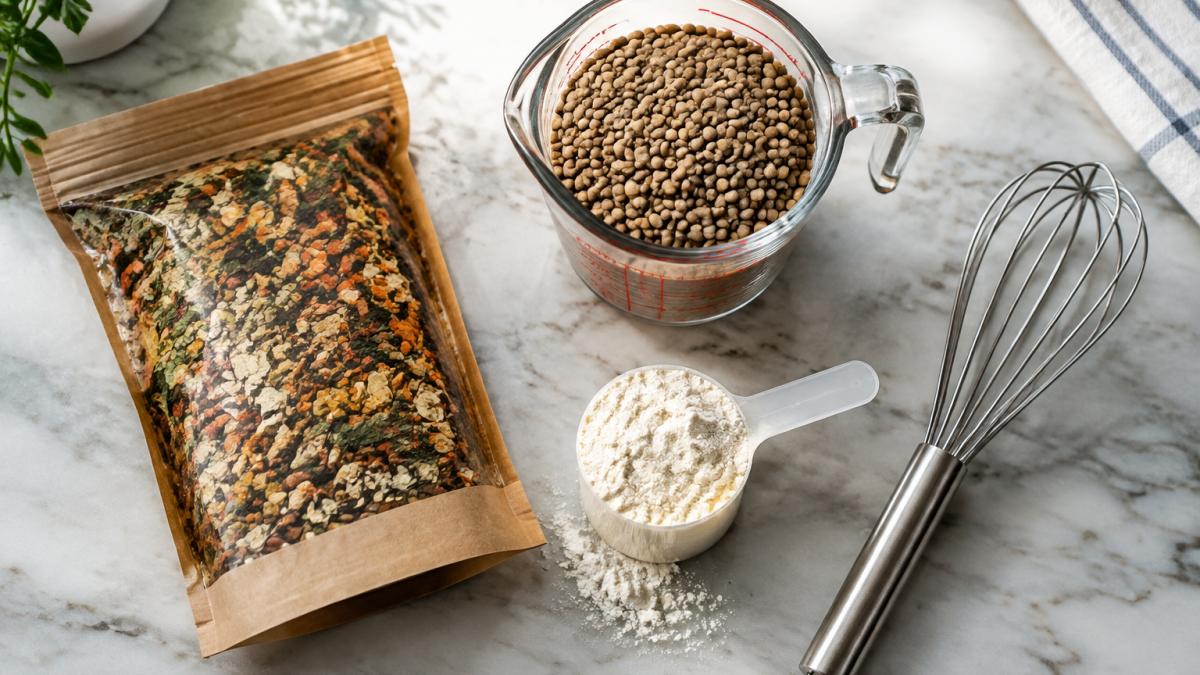
A kitchen scale beats a measuring cup here. Protein powders and lentils pack differently depending on how you scoop them. Weighing keeps your ratio consistent from batch to batch.
Our Slow Simmer Black Bean Soup Mix is built for this.

Plant-Based Protein Additions for Soup
Beans, lentils, and chickpeas are the easiest place to start. They bring protein plus fiber, and they hold their shape through a simmer.
A 2023 study on dried vegetarian soup mixes found that adding lentils, green peas, and chickpeas significantly improves the nutritional value of the final product.
Try these amounts per 4 servings:
- Lentils: 1/2 cup dry, added with the mix
- Chickpeas: 1 cup canned, drained, added in the last 10 minutes
- Textured vegetable protein: 1/2 cup, rehydrated first
One caution: dry lentils need extra liquid and time. Add 1/2 cup more broth and plan on 10 extra minutes of simmering.
Dairy and Powdered Protein Options
Powdered milk and buttermilk powder blend smoothly into cream-based soups, adding protein without changing the flavor much.
Cottage cheese works too, but blend it first. Stirred in whole, it leaves curds that some eaters won't touch.
For cream soups, try:
- Powdered milk: 1/4 cup dry, whisked into the mix before adding liquid
- Buttermilk powder: 2 tablespoons for a tangy finish
- Cottage cheese: 1/2 cup, blended smooth, stirred in off the heat
Our Pinto Bean Bountiful Bowl Soup Mix lists optional ground meat, cooked chicken, or turkey on the package.

Step 2: How to Prevent Protein Powder from Clumping in Soup
The fix for clumping is simple: never add dry protein powder to hot liquid. Make a slurry first, or whisk the powder into the dry mix before any liquid touches it.
Clumping happens because protein powder absorbs water fast on the outside and traps dry powder inside. Heat makes it worse.
Three methods that work:
- Dry blend first. Whisk the protein powder into the dry soup mix in a bowl. Break up every lump before adding liquid.
- Make a slurry. Whisk the powder into a small amount of cool water or broth until smooth. Then stir the slurry into the pot.
- Temper it. Ladle a little hot broth into the slurry, whisk, then add the warmed slurry back to the pot.
Watch out: adding powder to a rolling boil gives you floating clumps that never fully dissolve. Pull the pot off the heat first.
Step 3: Mix, Simmer, and Adjust Texture
Combine everything in the right order, then simmer gently and fix the texture before serving. High heat and long boils are the two biggest texture killers.
Pinto Bean Bountiful Bowl Soup Mix →
The order:
- Whisk the dry mix and any dry protein together.
- Add cool or room-temperature liquid gradually, stirring as you go.
- Bring to a boil, then drop to a simmer right away.
- Add dairy or delicate proteins in the last 5 minutes.
- Rest off the heat for 5 minutes before serving.
If the soup is too thick, add broth a splash at a time. If it's too thin, simmer uncovered for a few minutes. Protein powders thicken as they sit, so give it a rest before adding more.
Finding the Best Unflavored Protein Powder for Soup
The best unflavored protein powder for soup dissolves clean, adds no sweet aftertaste, and holds up to heat without turning gritty.
Skip anything with vanilla, stevia, or monk fruit. Those flavors clash with garlic and cumin, and no amount of seasoning hides it.
What to look for:
- Unflavored or "plain" on the label
- Isolate over concentrate for smoother texture
- No added sweeteners
One insider note: a 2023 formulation study in the Journal of the Polish Agricultural Universities successfully used microencapsulated protein hydrolysate in a ready-to-cook soup mix.
If you'd rather skip powder entirely, start with a flavorful base. Our Bountiful Bowls soup mixes are free of MSG and artificial flavors and colors on their listings.
Protein per Serving: Doing the Math
Protein per serving depends on three things: the base mix, the add-in, and how many bowls you divide the batch into. Do the math once for your favorite combination, write it on the container, and you'll never guess again.
Start with the base. A dry cream soup mix provides roughly 7 grams of protein per can-equivalent serving on its own, according to Kansas State University's nutrition analysis.
Then add your protein. The table below gives total protein for the whole batch, not per serving, so you can divide by your own yield.
| Protein Add-In | Amount | Protein Added (batch total) | Best For |
|---|---|---|---|
| Cooked ground beef (85% lean) | 1 lb | ~68 g | Hearty bean and chili-style soups |
| Cooked chicken, shredded | 1 lb | ~105 g | Chicken and rice, noodle soups |
| Canned chickpeas, drained | 1 cup | ~12 g | Minestrone, vegetable blends |
| Dry red lentils | 1/2 cup | ~24 g | Plant-based and curry-style blends |
| Unflavored whey isolate | 1 scoop (~30 g) | ~25 g | Cream soups, bisques |
| Nonfat dry milk powder | 1/4 cup | ~7 g | Cream-based mixes |
| Textured vegetable protein, dry | 1/2 cup | ~24 g | Taco, chili, and tomato-based mixes |
Now divide. Here's how the math works for three common batches:
- Cream soup base + 1/4 cup nonfat dry milk, serves 4. Base contributes about 28 g total (7 g × 4 servings). The milk powder adds about 7 g. Total is roughly 35 g, or about 9 g per bowl. That's a light lunch, not a dinner.
- Bean soup base + 1 lb ground beef, serves 6. Base contributes roughly 42 g (7 g × 6). The beef adds about 68 g. Total is roughly 110 g, or about 18 g per bowl. That's a real meal.
- Lentil soup base + 1/2 cup dry red lentils, serves 4. Base contributes roughly 28 g. The lentils add about 24 g. Total is roughly 52 g, or about 13 g per bowl. Add a dollop of Greek yogurt at the table and you're closer to 16 g.
A few practical notes on the math:
- Serving size is the lever. The same batch divided into 4 bowls instead of 6 jumps from 18 g to 27 g per serving. Decide your portion before you calculate.
- Cooked weight vs. dry weight matters. One pound of raw ground beef weighs about 12 oz after browning, but the protein stays. Use the raw weight.
- Powder scoops vary. A whey isolate scoop ranges from about 28 g to 32 g depending on the brand. Weigh the scoop once and use that number going forward.
Watch out: don't add the protein from a garnish you'll drain off, like bacon fat or a Parmesan rind. Count only what actually ends up in the bowl.
Storing Your Protein-Enriched Dry Mix Safely
Not every protein belongs in a dry blend you plan to keep on the shelf.
Shelf-stable additions that work in a dry blend:
- Nonfat dry milk powder and buttermilk powder. Both are spray-dried from pasteurized milk, which drops water activity low enough to keep them shelf-stable in a sealed container. Once opened, transfer to an airtight jar; the powder picks up moisture and odors quickly.
- Whey and egg white protein powder. Unopened, they keep for months past the printed date. Once opened, they absorb humidity and clump, so seal tightly and use within the manufacturer's opened-container window.
- Textured vegetable protein (TVP). Dry soy protein holds up well in a sealed jar for months. It rehydrates in the pot, not the pantry.
Ingredients that do not belong in a stored dry blend:
- Canned beans or chickpeas. They carry moisture and must be refrigerated once opened. Add them at cooking time.
- Cottage cheese, Greek yogurt, or fresh cheese. Refrigerate and stir in off the heat.
- Cooked meat, poultry, or fish. Cook fresh or use freeze-dried meat, which is shelf-stable only in its sealed pouch.
How to package and store a homemade blend:
- Blend fully dry. Whisk the base mix and your shelf-stable protein together until no clumps remain. Any trapped moisture from a damp scoop will shorten shelf life.
- Use an airtight container. A glass jar with a rubber gasket or a heavy-duty zip-top bag with the air pressed out both work.
- Label with the date and contents. Write the blend date and every ingredient on the lid. If you added protein powder, note the brand and the opened date of the powder itself.
- Store cool and dark. A cabinet away from the stove and dishwasher beats a countertop jar; heat accelerates rancidity in powders and whole grains.
- Add a desiccant packet if your kitchen runs humid. Food-grade silica packets absorb the moisture that causes clumping. Replace them if the indicator changes color.
How long each blend keeps:
- Beans, lentils, and grains only: about 12 months in an airtight container.
- Blend with nonfat dry milk or buttermilk powder: about 6 months, or the earliest date on the milk powder package, whichever comes first.
- Blend with whey or egg white protein powder: about 3 months, or the powder manufacturer's opened-container window, whichever is shorter.
Signs a blend has gone bad:
- A sharp, stale, or paint-like smell when you open the jar
- Clumps that won't break up with a whisk
- Visible moisture, condensation, or mold
Watch out: never store a blend that already contains fresh dairy, cooked meat, or canned beans.
Our Slow Simmer Split Pea Soup Mix is a good candidate for pre-blending with dry lentils or TVP, since the base is already designed for pantry shelf life.

Frequently Asked Questions
What are the best protein sources to add to dry soup mixes?
Lentils, chickpeas, and beans are the easiest plant-based additions because they hold up in dry storage and rehydrate during simmering. Powdered milk, buttermilk powder, and coconut milk powder stir in smoothly and add creaminess. Unflavored protein powder works too, but blend it with the dry mix before adding liquid to avoid clumps. Freeze-dried chicken or beef chunks are another option for instant soup mixes.
Can you add unflavored protein powder to hot soup without clumping?
Yes, if you temper it first. Whisk the powder into a small amount of cool or room-temperature broth until smooth, then stir that slurry into the hot soup. Dumping powder straight into hot liquid causes clumping because the outer particles gel before the inside hydrates. If you are building a dry soup mix, whisk the protein powder into the dry ingredients thoroughly before any water or broth goes in. Add liquid gradually and stir constantly during the first two minutes of simmering.
How do I keep dry soup mixes shelf-stable after adding protein?
Keep the mix dry. Store protein-enriched dry soup mixes in an airtight container away from heat and moisture, and use a desiccant packet if your kitchen runs humid. Powdered dairy proteins absorb moisture faster than rice or pasta, so check for clumping or off smells before each use. Mix only what you will use within a few months rather than bulk-batching a year's supply. If you add freeze-dried meat, keep it in its original sealed pouch until you combine it with the dry mix.
How much protein does a dry soup mix have per serving?
It depends on the base and what you add. To estimate your own, add the protein grams from each ingredient on its label and divide by the number of servings.
